
Why Sapor Reconsidered the Umbrella
Sapor began with a simple observation: almost everyone uses an umbrella, yet it is rarely treated as an object worthy of serious consideration.
It is bought when it is already raining. It lies in a car, stands in a hallway or disappears into a bag. As long as it opens and keeps off the rain, its purpose appears to have been fulfilled. Its design, construction and daily use are often considered only when something fails.
For us, this familiarity was precisely the point of departure.

An overlooked object is not a simple object
An umbrella has a clear purpose. That does not make it simple to design.
It is carried while closed, held in the hand, opened, moved, folded and left to dry. Its weight influences whether it is carried naturally. The handle determines how it feels. The frame supports and tensions the canopy. Fabric, seams and proportions shape its appearance.
None of these characteristics stands alone.
Only their interaction determines whether an umbrella feels natural in use or like a collection of unrelated components.
Designed from the perspective of use
At Sapor, development therefore does not begin with a decorative surface. It begins with the way the umbrella is used.
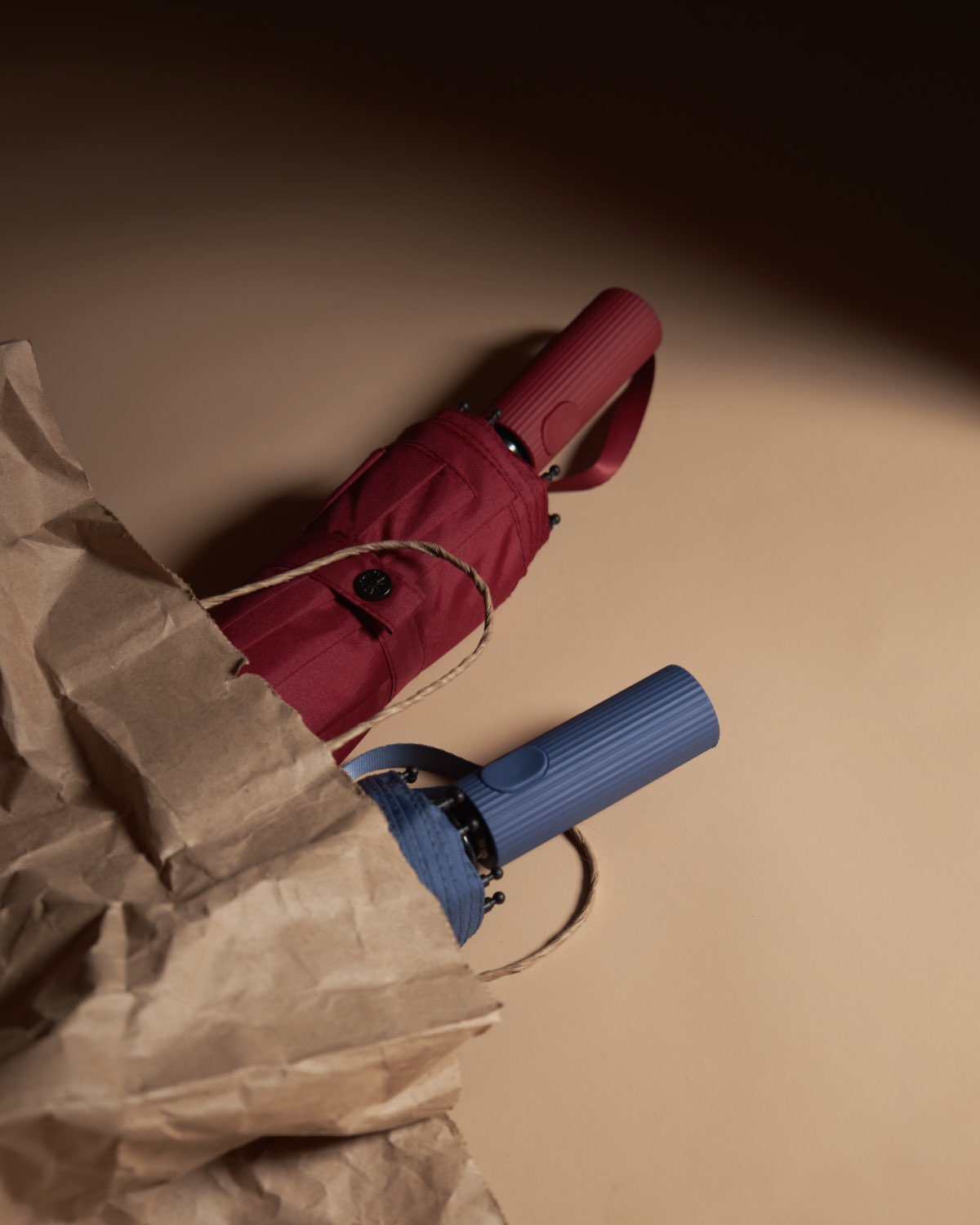
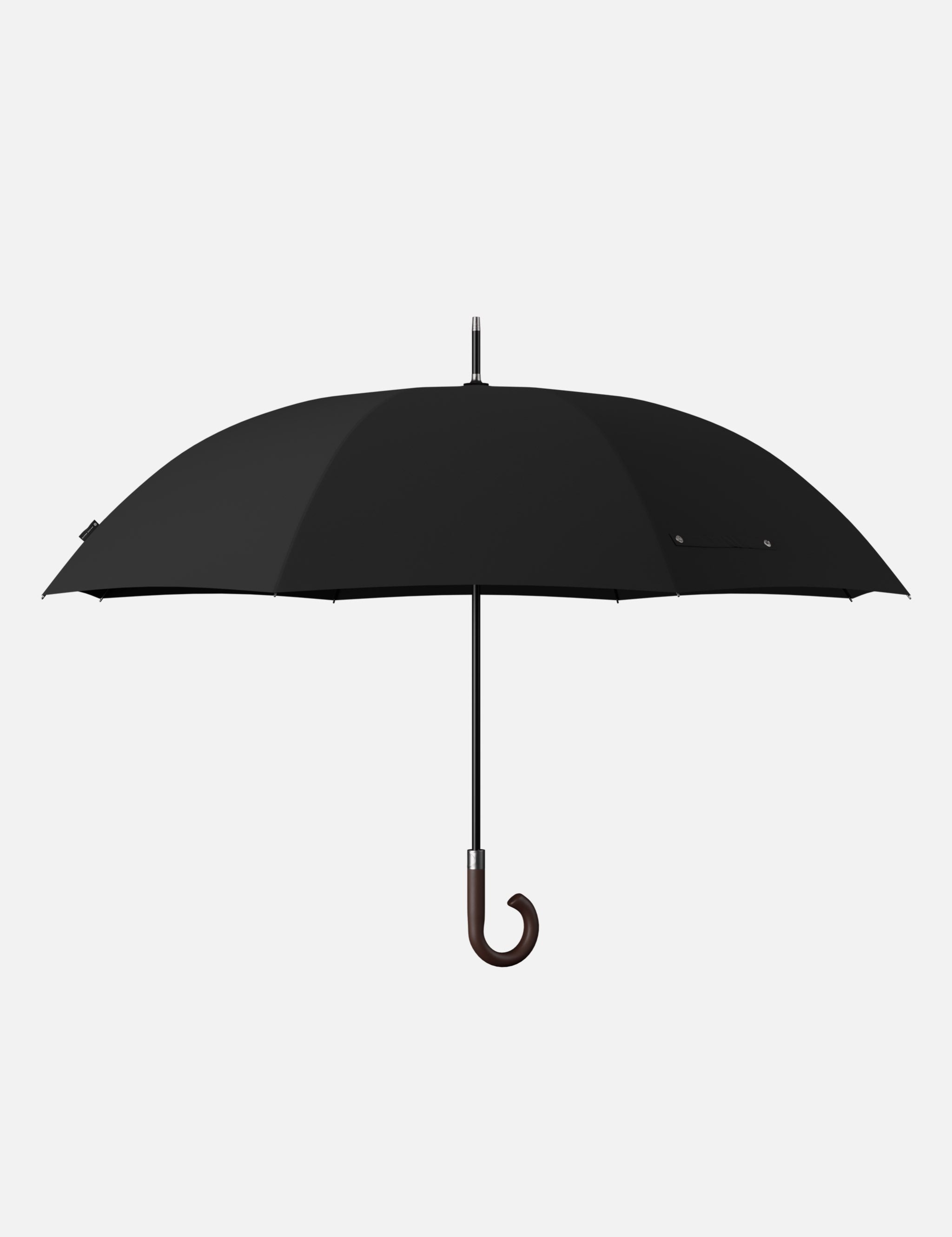
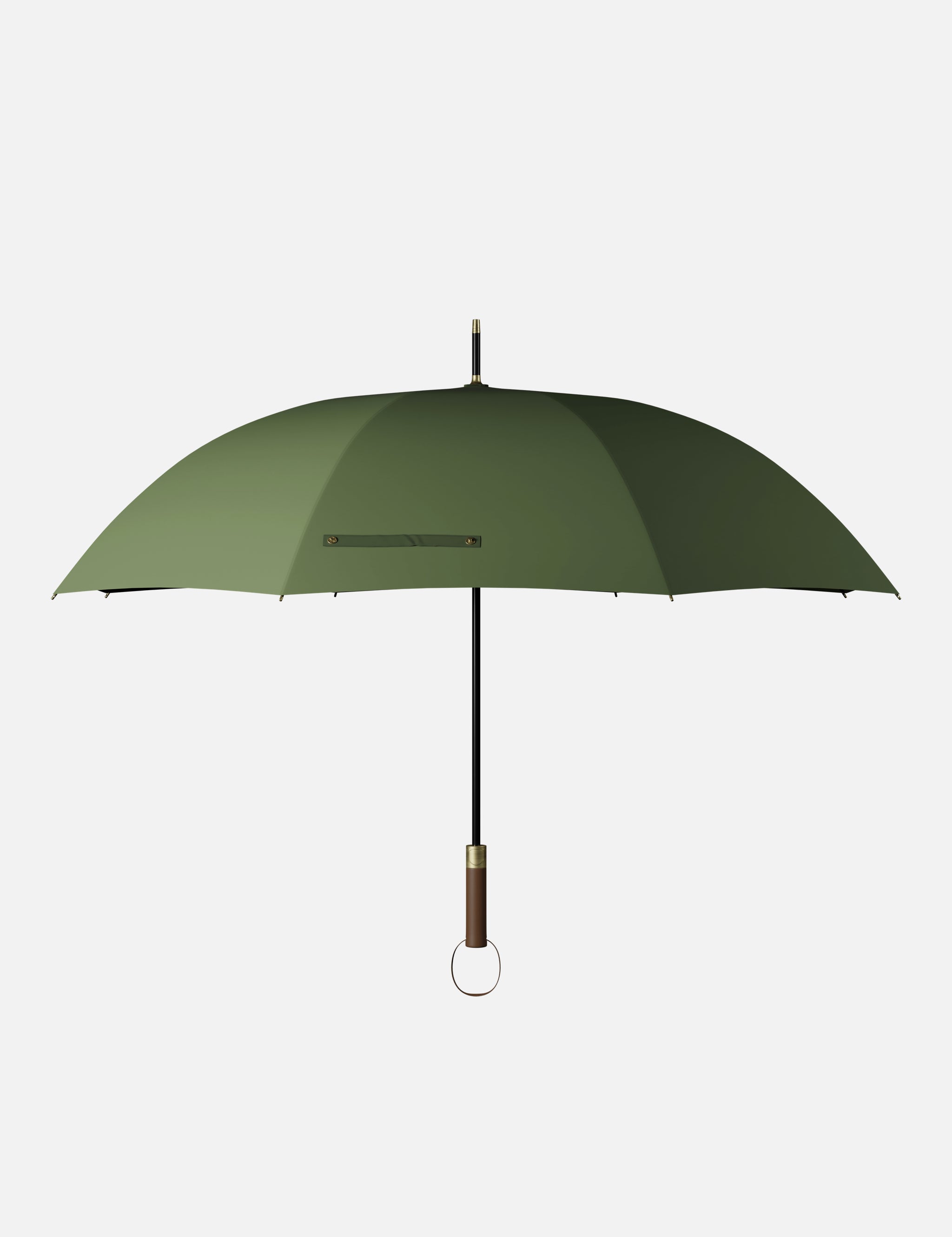
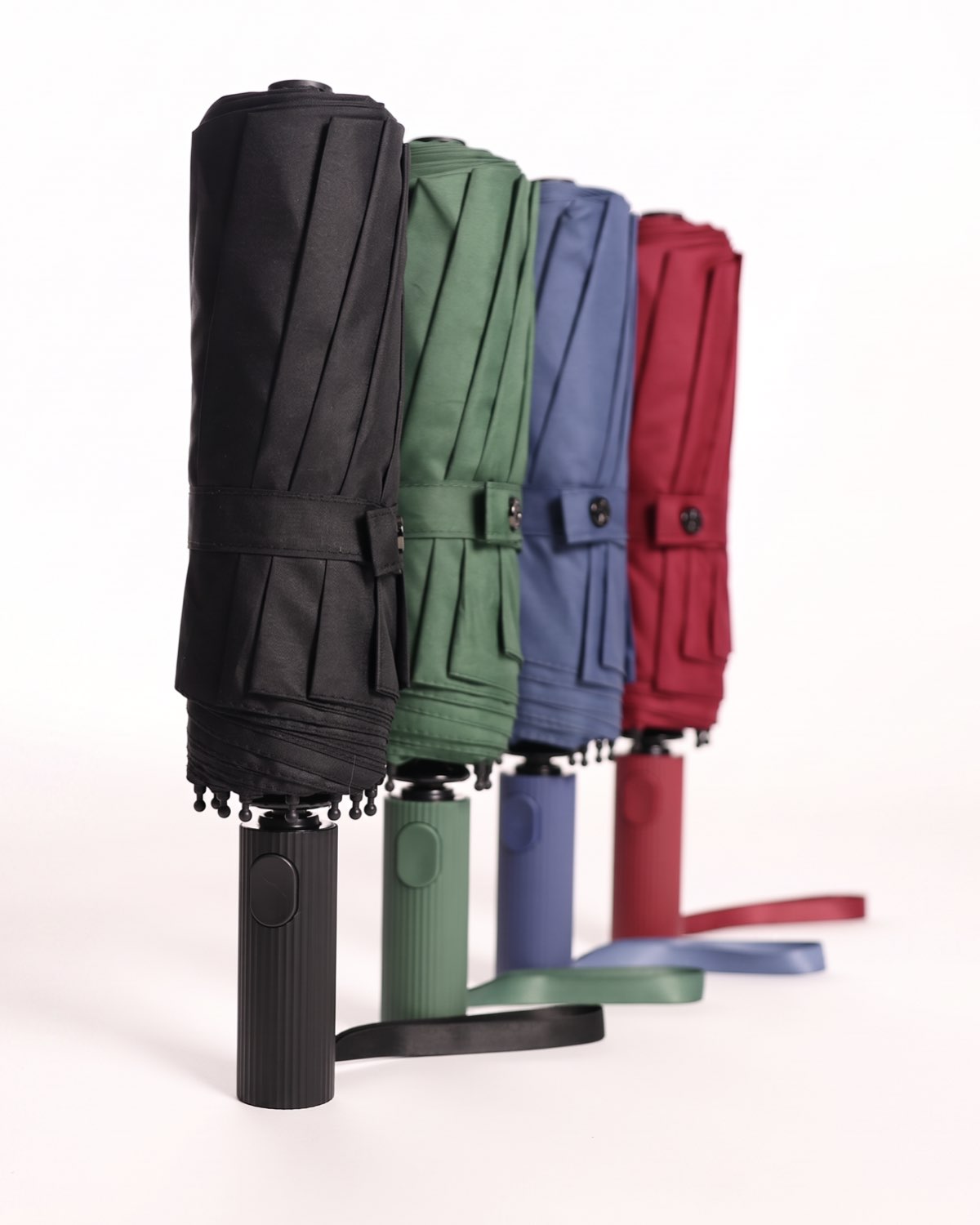
How does the handle sit in the hand? How is the opening button integrated into its form? How does the umbrella appear when closed? How does the canopy behave in motion? How do colour and material continue across different components?
Construction, proportion and design emerge from these questions.
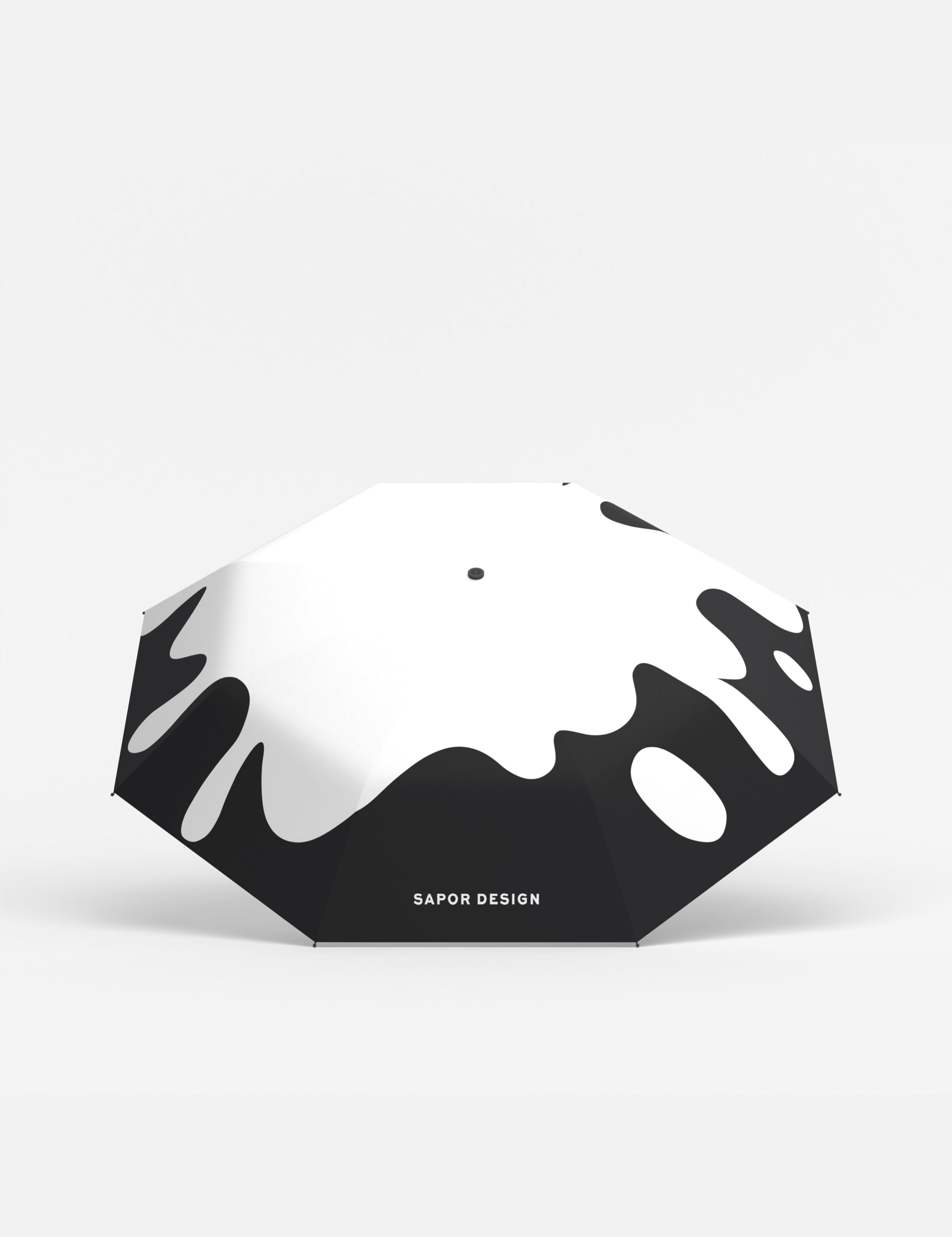
Sapor develops its own models because an object cannot be consistently designed as a whole when its fundamental decisions have already been made elsewhere. Simply applying a new colour or pattern to an existing standard model would not have met our intention.
Our aim was never merely to give an ordinary umbrella a more luxurious surface. We wanted to reconsider the object itself.


Design is not decoration
Good design does not require every detail to attract attention.
A handle can have its own character without separating itself from the rest of the umbrella. A colour can be present without becoming loud. A technical element can remain visible while still belonging naturally to the overall form.
What matters is the relationship between the parts.
This is why we also consider areas that are easily overlooked in a product photograph: the closed silhouette, the tension of the fabric, the shape of a button, the coordination of different materials and the way an umbrella opens and closes.
Not every detail needs to appear remarkable. Nothing, however, should feel arbitrary.

Developed for long-term use
Longevity is not a single material characteristic or an abstract number of years. It emerges from construction, material selection, regular use and appropriate care.
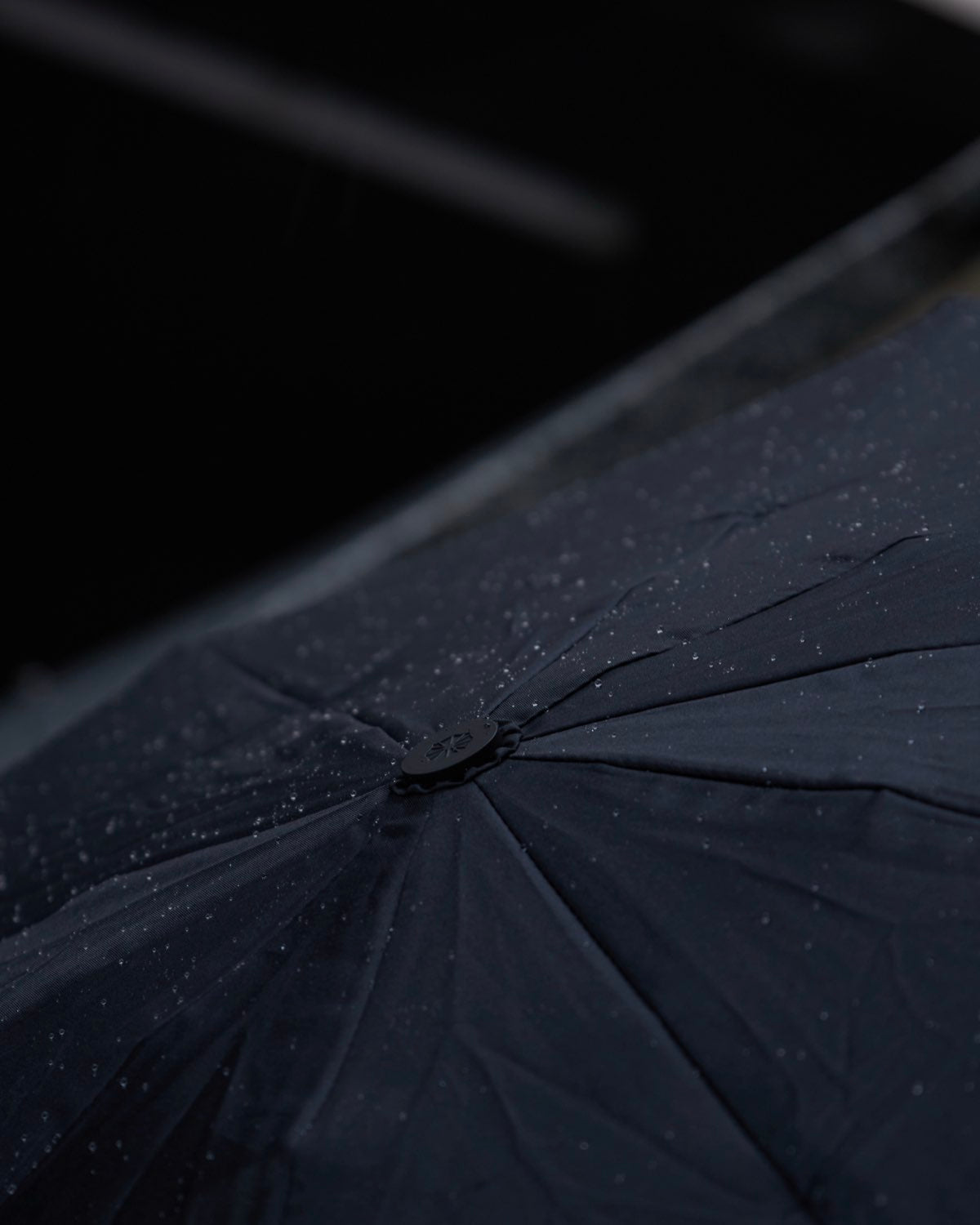
An umbrella is exposed to real conditions. It gets wet, dries, is carried and encounters different levels of wind. It therefore needs to do more than look refined while unused. It must prove itself in everyday life.
Care guidance, personal service and our warranty are a natural part of this understanding. Responsibility for an object does not end with its manufacture or sale.

Reconsidering rain
For us, “Embrace the rain” does not mean romanticising bad weather.
It describes a different way of approaching something beyond our control. Rain is part of everyday life. A good umbrella does not make it disappear, but it can change how naturally we move through it.
An overlooked utilitarian object thus became the starting point for Sapor.
Not because an umbrella is the most important object in life, but because even an ordinary object deserves to be held to a serious design standard.
Embrace the rain.